
Two-component isocyanate-free polysiloxane topcoat
two-component isocyanate-free polysiloxane topcoat
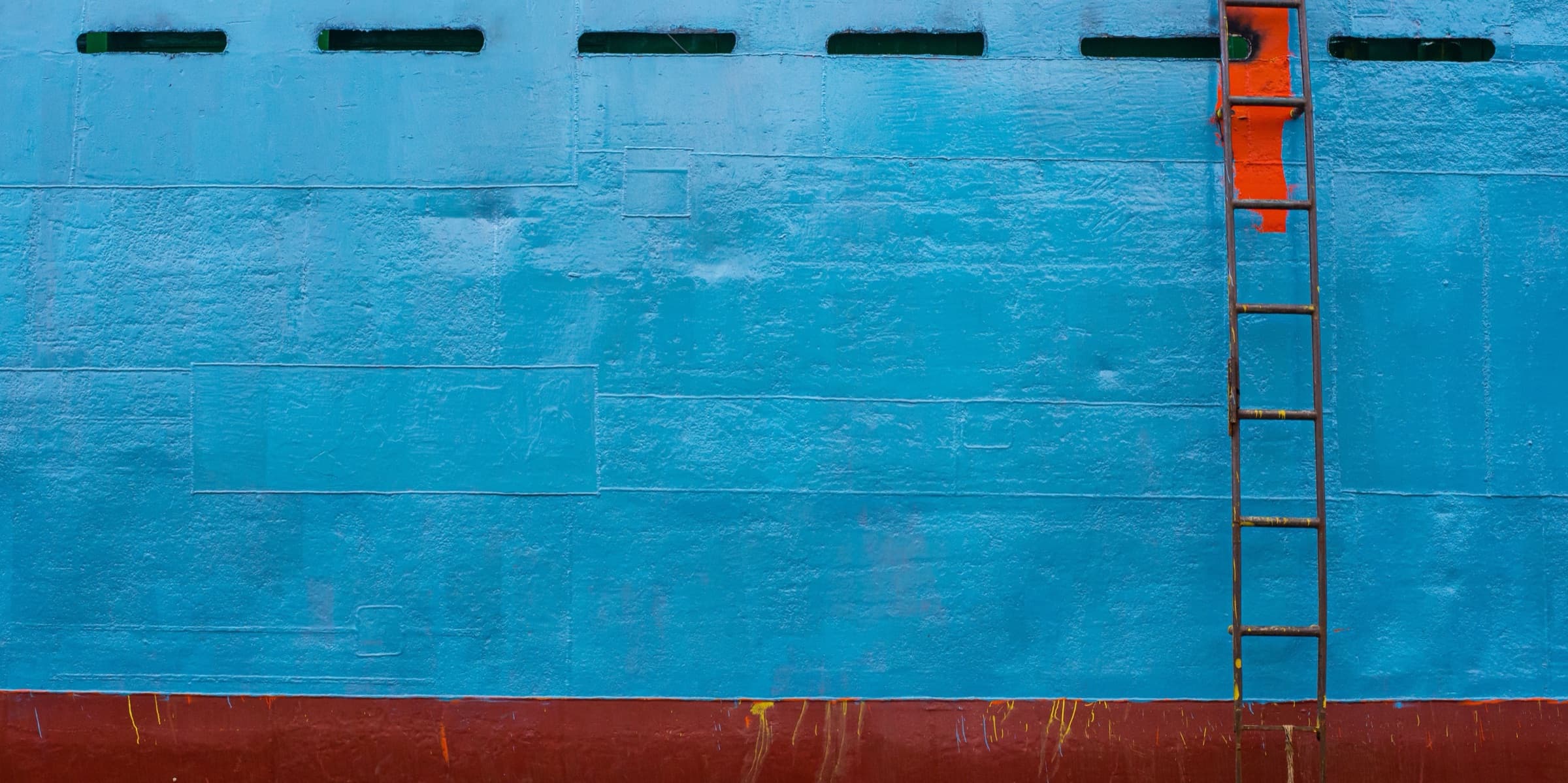
What is a two-component isocyanate-free polysiloxane topcoat? What are the applications of two-component isocyanate-free polysiloxane topcoats?
1. Basic Definition
A two-component isocyanate-free polysiloxane topcoat is a high-performance coating based on siloxane chemistry (Si-O-Si) curing. It consists of component A (a polysiloxane resin containing silanol or epoxy groups) and component B (a silane crosslinker or aminosilane curing agent). It does not contain isocyanates (-NCO) and forms a film through a condensation reaction (e.g., Si-OH + Si-OR → Si-O-Si + ROH). (Typical silanol resin recommended: SF-074)
2. Core Features
✔ Environmental friendliness: Contains no isocyanates (NCO), avoiding the hazards of free TDI/HDI, and meets low VOC requirements (such as the EU REACH regulation).
✔ Weather resistance: The siloxane bond (Si-O-Si) has high bond energy, providing excellent UV aging resistance and better gloss and color retention than ordinary polyurethanes.
✔ High temperature resistance: Long-term temperature resistance up to 200-300°C (higher for short periods), suitable for high-temperature environments.
✔ Corrosion resistance: The dense siloxane network can block moisture and salt spray, suitable for harsh corrosive environments.
✔ Two-component design: A/B separate packaging improves storage stability; mixing triggers curing during application.
Main Application Areas
1. Heavy-duty Anti-corrosion
Marine engineering: Anti-corrosion topcoats for ship decks, offshore wind turbine towers, and dock steel structures.
Petrochemical equipment: Chemical-resistant coatings for storage tanks, pipelines, and refineries.
Bridges and infrastructure: Long-term protection for cross-sea bridges and elevated steel structures (replacing traditional polyurethanes).
2. Industry and Energy
Power facilities: Weather-resistant insulating coatings for substations and transmission towers.
High-temperature components: Heat-resistant protection for chimneys, exhaust pipes, and industrial furnaces.
3. Transportation
Rail transportation: Exterior coatings for high-speed trains and subway cars (resistant to sand and dust impact and UV radiation). Automotive parts: High-temperature paint for engine compartment components and exhaust pipes.
4. Construction and Decoration
Landmark buildings: Topcoat for steel structures of supertall buildings (such as the coating system of the Burj Khalifa).
Curtain walls and metal decoration: Provides high gloss and self-cleaning effects.